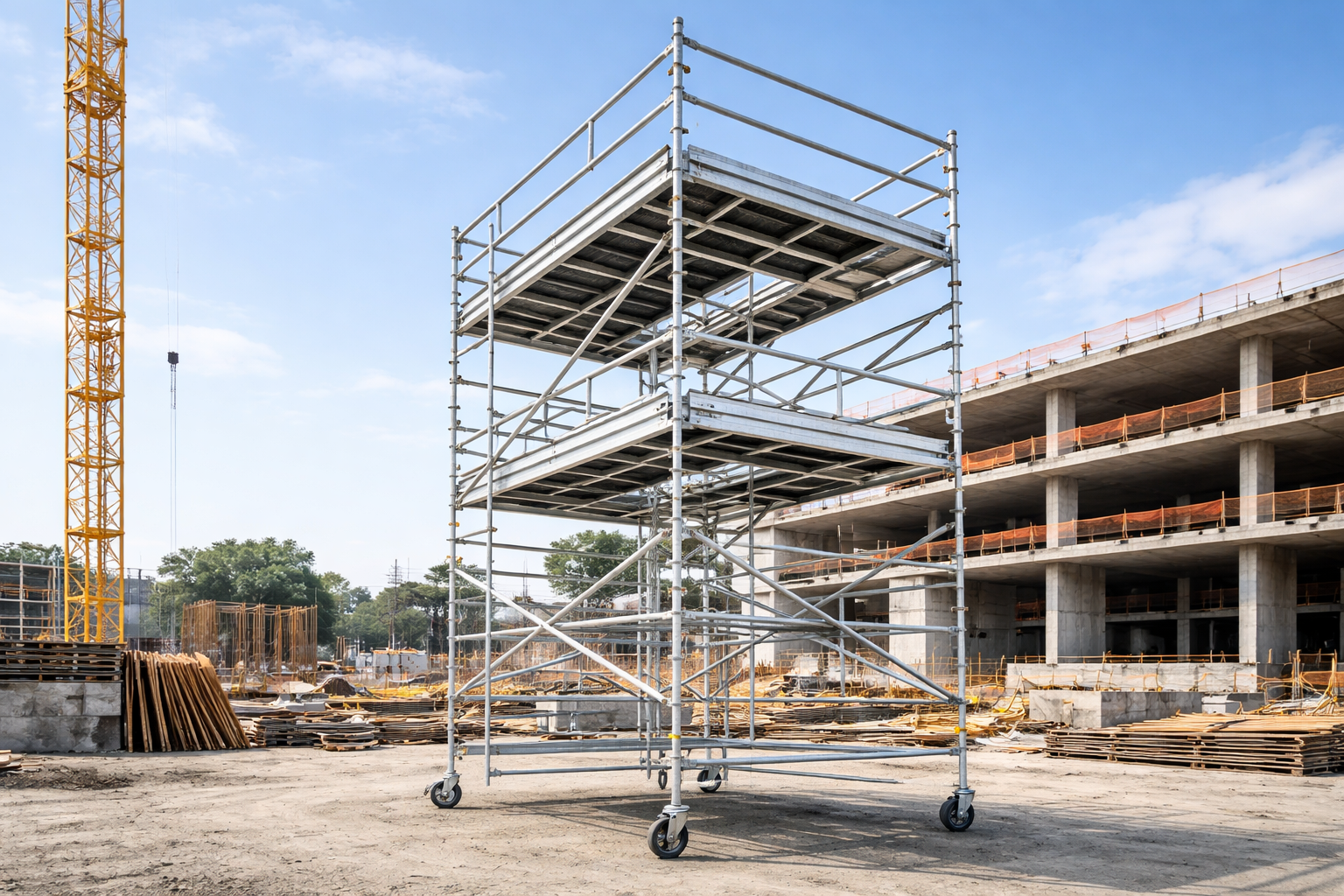
Ladders are often the first tool people think of for working at height. But as work becomes more complex, higher, or longer in duration, ladders are not always the safest or most efficient option. This is where aluminium scaffolding becomes the smarter choice.
In this blog, we explain when aluminium scaffolding should be used instead of ladders, helping you choose the right access solution for safety, productivity, and compliance.
Understanding the Difference
Ladders
Ladders are designed for short, light, and quick tasks, such as:
- Reaching a small height
- Minor inspection or adjustments
- Very limited tool use
They offer minimal working space and limited stability.
Aluminium Scaffolding
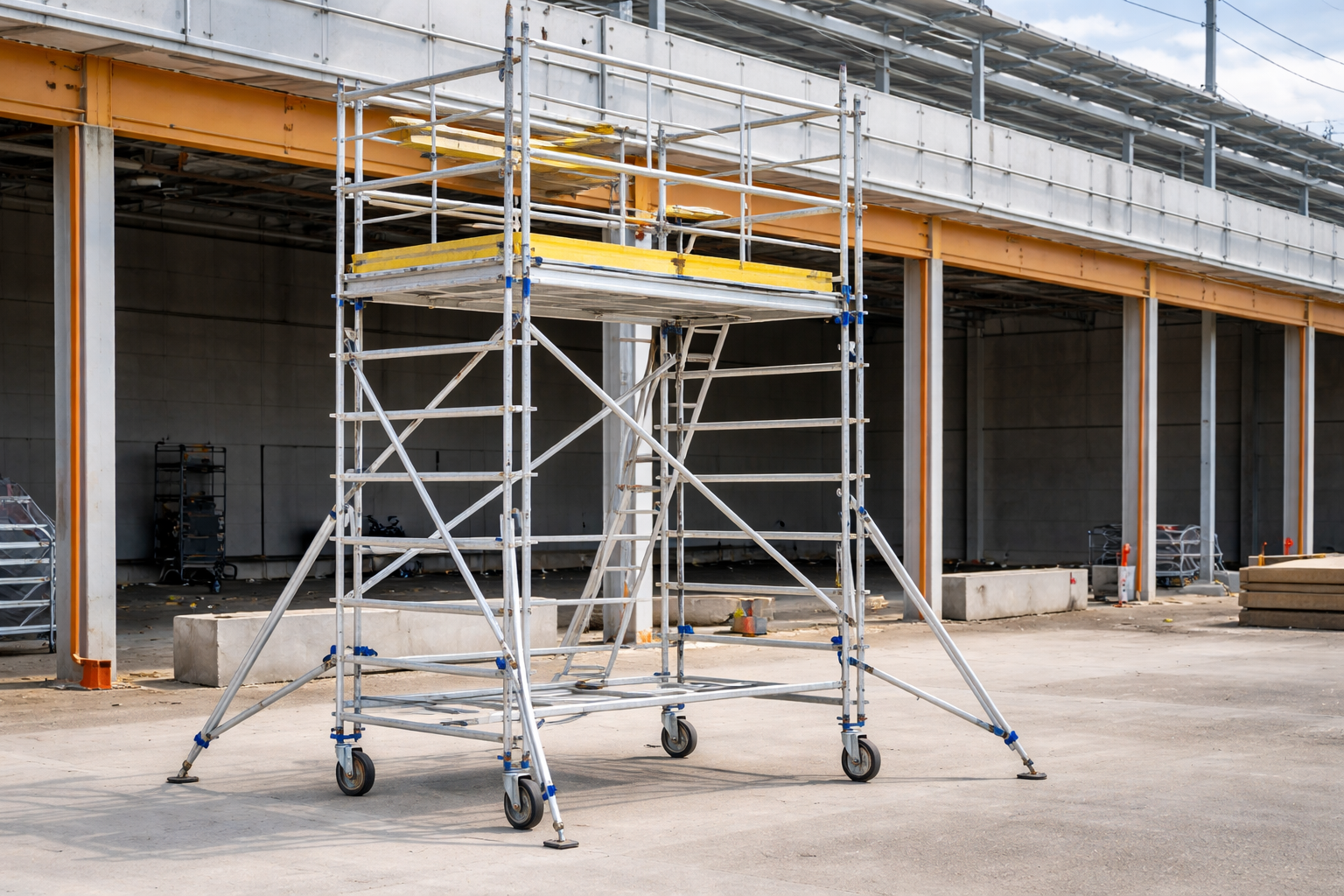
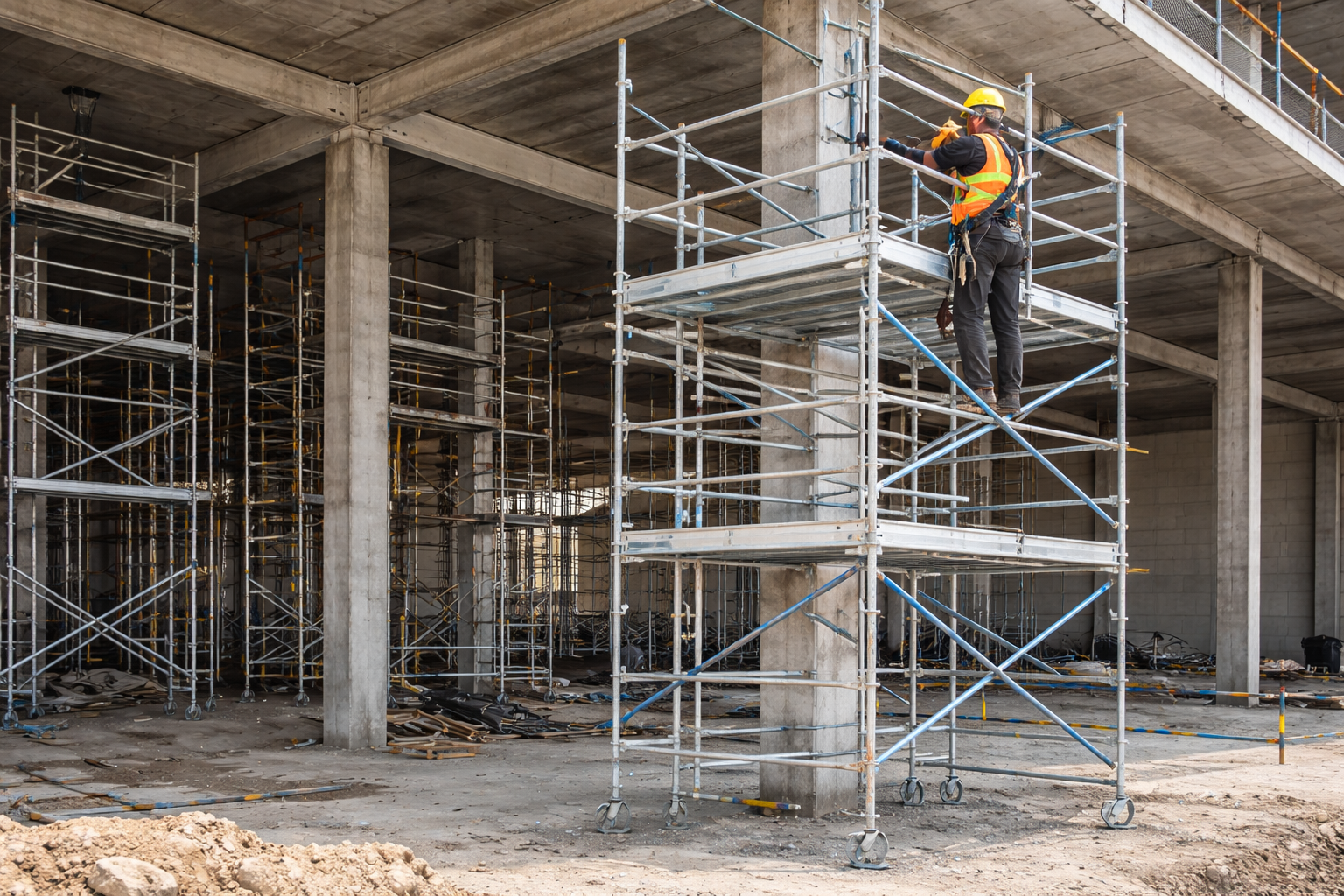
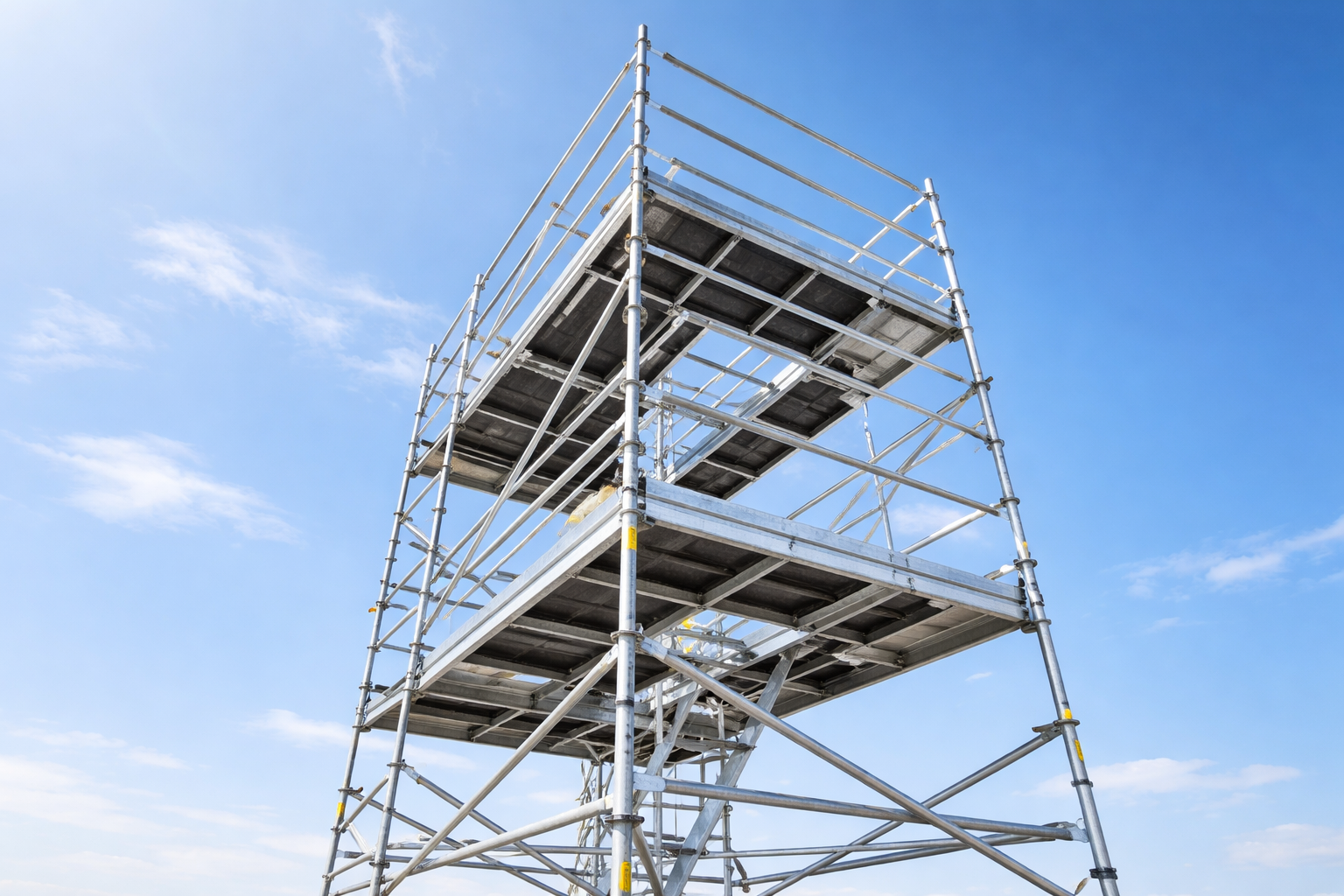
Aluminium scaffolding provides a stable working platform where workers can stand, move, and work comfortably. It is ideal for repetitive, longer, or higher-level tasks.
When Aluminium Scaffolding Is the Better Choice
1. When Working at Height for Longer Periods
If the task requires standing and working for more than a few minutes, ladders increase fatigue and risk. Aluminium scaffold towers allow safe, hands-free working with enough space for tools and movement.
2. When Both Hands Are Needed for the Job
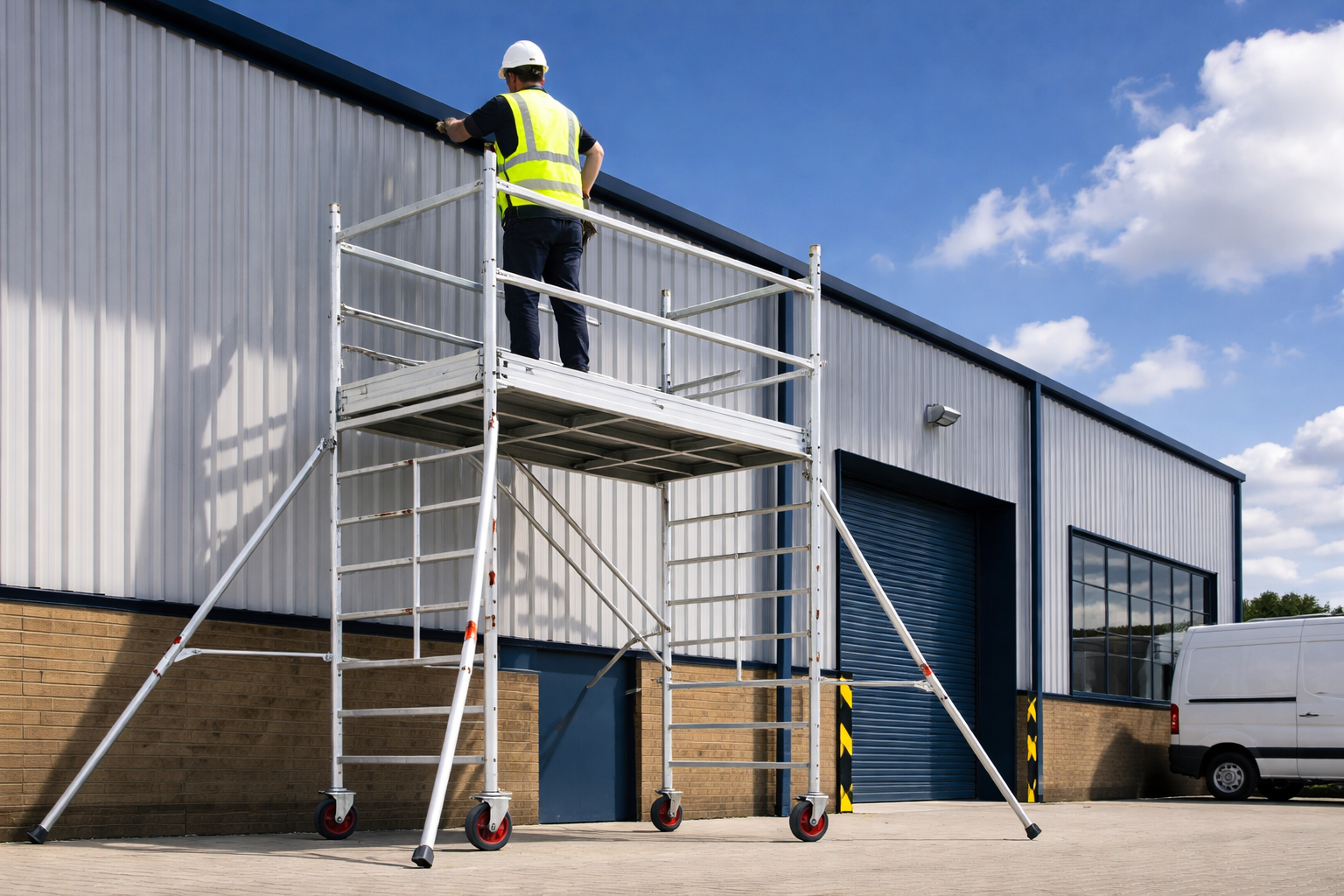
Tasks like painting, electrical work, MEP installation, or façade repairs require both hands. Ladders restrict movement, while aluminium scaffolding offers a full platform with guardrails, improving safety and efficiency.
3. When Working Above a Certain Height
Ladders become unstable and unsafe at greater heights. Aluminium scaffolding towers are designed for higher working levels, offering better balance, load capacity, and fall protection.
4. When Tools and Materials Are Involved
Carrying tools while climbing a ladder is risky. Aluminium scaffolding platforms can safely hold tools, equipment, and materials, reduce the chance of slips or dropped objects.
5. When Multiple Workers Are Involved
Ladders are meant for single-person use. If the job requires two or more workers at the same level, aluminium scaffolding is the safer and more practical solution.
6. When Safety Compliance Matters
Most modern safety standards recommend scaffolding over ladders for extended or elevated work. Aluminium scaffolding systems come with guardrails, toe boards, and stable base frames, helping sites stay compliant.
Common Jobs Where Aluminium Scaffolding Is Preferred
- Interior and exterior painting
- Electrical and HVAC installation
- Building maintenance and repairs
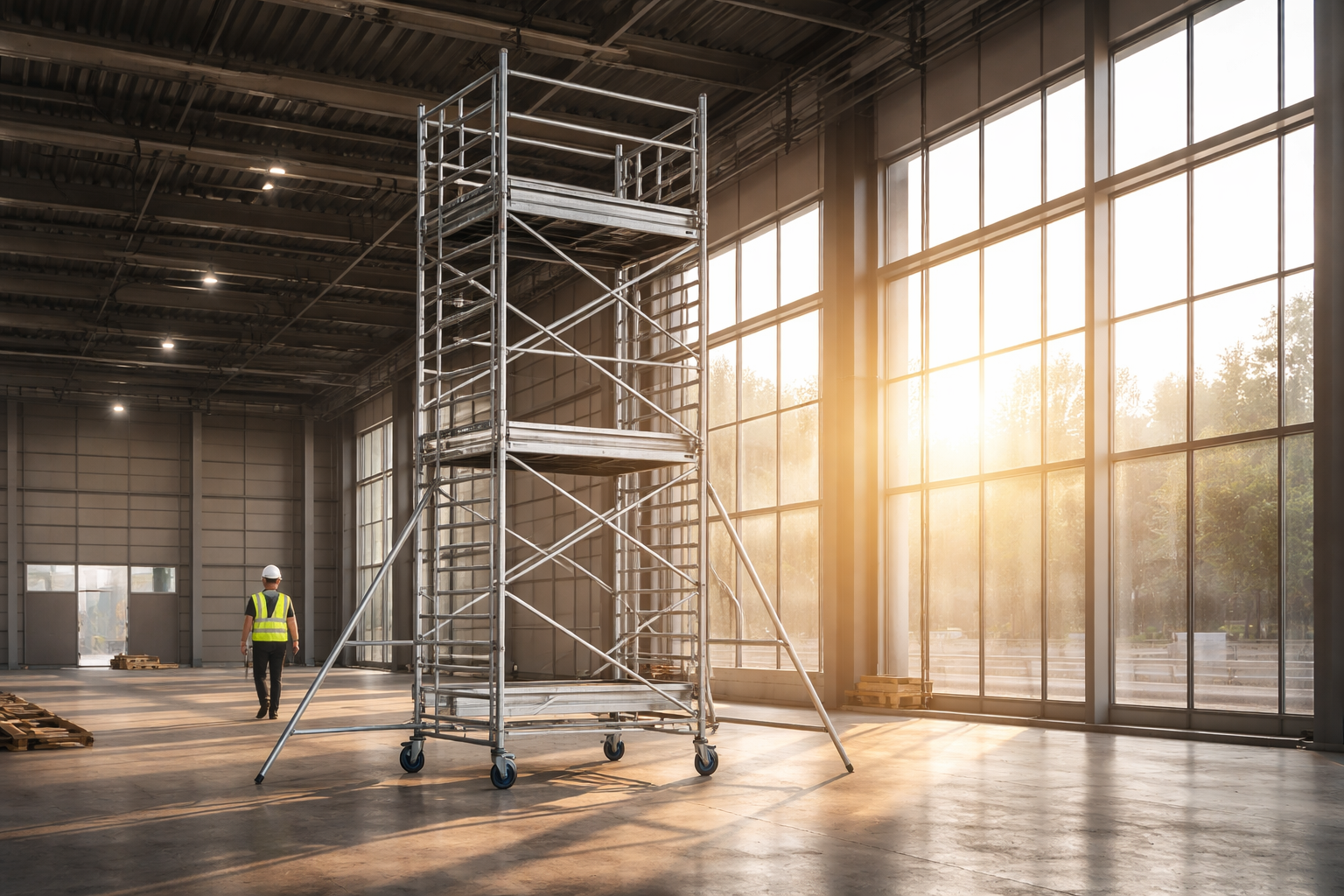
- Warehouse and facility maintenance
- Façade cleaning and inspection
- Industrial and commercial projects
For these applications, aluminium scaffolding offers better productivity, safety, and comfort than ladders.
Why Choose Aluminium Scaffolding from AQ Access?
At AQ Access, aluminium scaffolding systems are designed to deliver:
- Lightweight and durable construction
- Easy and fast assembly
- Multiple configurations (single width, double width, mobile, stairway, cantilever)
- Safe working platforms with certified components
Whether your project is short-term or ongoing, AQ Access provides reliable aluminium scaffold solutions suited for all site conditions.
- Explore aluminium scaffolding systems at https://aqaccess.com/
Conclusion
Ladders still have their place for quick and simple tasks. But when work involves height, duration, tools, or multiple workers, aluminium scaffolding is the safer and more efficient choice.
Choosing the right access system not only protects workers but also improves work speed and quality — making aluminium scaffolding a smart investment for modern projects.