Introduction
When it comes to working safely at heights, aluminium scaffolding has redefined how modern construction, maintenance, and inspection projects are executed. Its lightweight, corrosion-resistant, and highly adaptable structure makes it ideal for diverse site conditions. However, in extreme environments—whether under the blazing sun, heavy monsoon rains, or the salt-laden air of coastal regions—its performance depends on design quality, material treatment, and proper maintenance.
This blog explores how aluminium scaffolding towers and specialized systems like the extra reach aluminium scaffolding system, project dost aluminium scaffolding, and adjustable aluminium scaffolding perform under challenging environmental conditions. It also highlights practical measures to extend scaffold life, ensure worker safety, and maintain efficiency year-round.
Understanding Aluminium Scaffolding Performance
Aluminium, by nature, is corrosion-resistant and much lighter than steel. It forms a protective oxide layer when exposed to air, which prevents rust and surface damage. This property makes movable aluminium scaffold towers and wide aluminium scaffolding systems highly suitable for regions where weather extremes are common.
Yet, different environments pose unique threats:
- Hot weather can cause material expansion and joint loosening.
- Rain and humidity can lead to slippage and oxidation.
- Coastal areas bring salt corrosion risks.
- Industrial sites expose scaffolds to chemicals and fumes.
Recognizing these factors helps site engineers and supervisors select the right scaffold type and adopt preventive practices for long-term safety.
1. Performance in Hot Weather Conditions
Thermal Expansion and Structural Stability
In regions with temperatures above 40°C, such as Rajasthan or the Gulf countries, aluminium scaffolding can experience thermal expansion. Although minimal, this can affect joints and locking mechanisms.
To counter this:
- Regularly inspect connection points and braces.
- Use adjustable aluminium scaffolding to fine-tune stability as materials expand or contract.
- Avoid direct exposure to the sun for extended hours; use protective covers when idle.
Recommended Setup
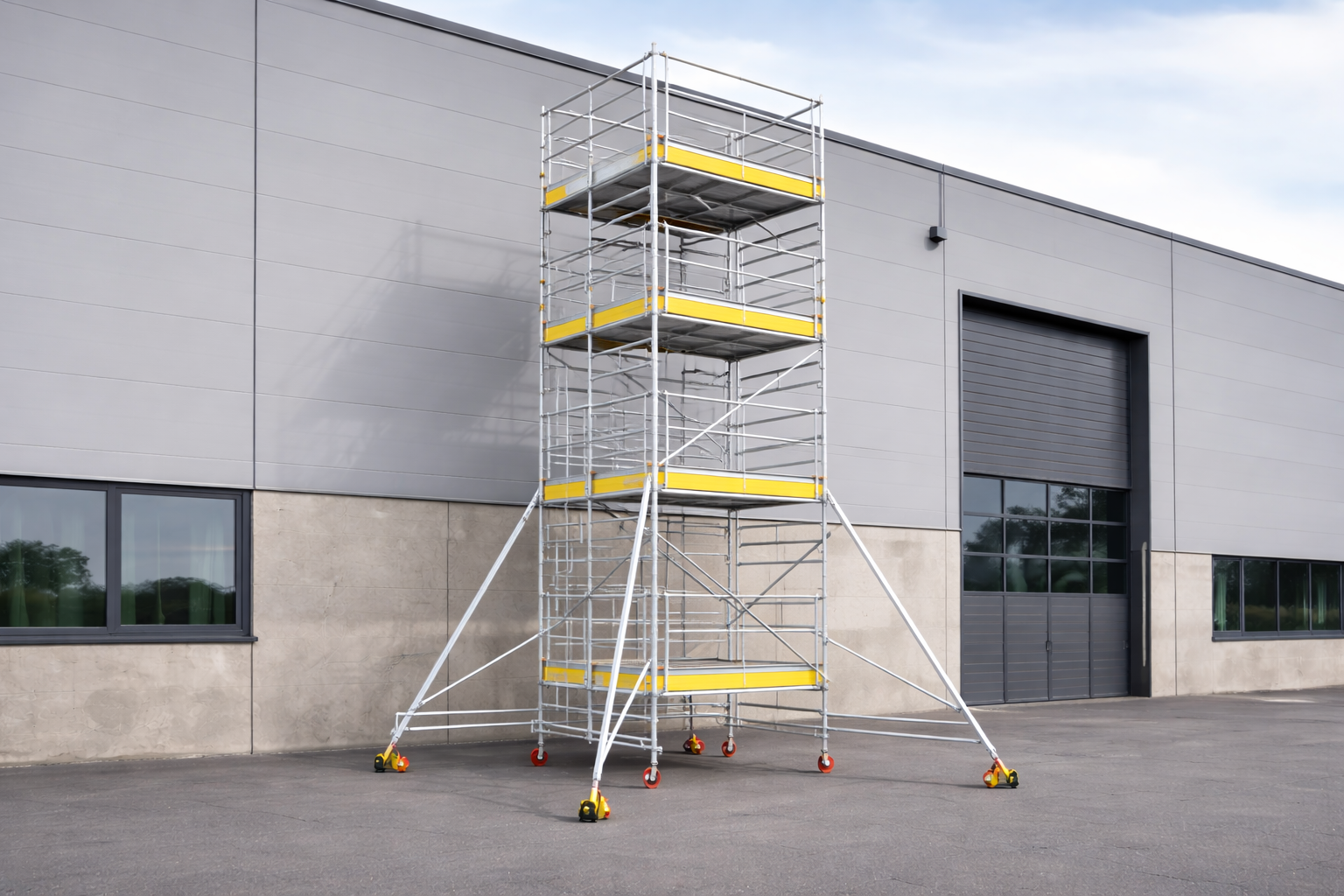
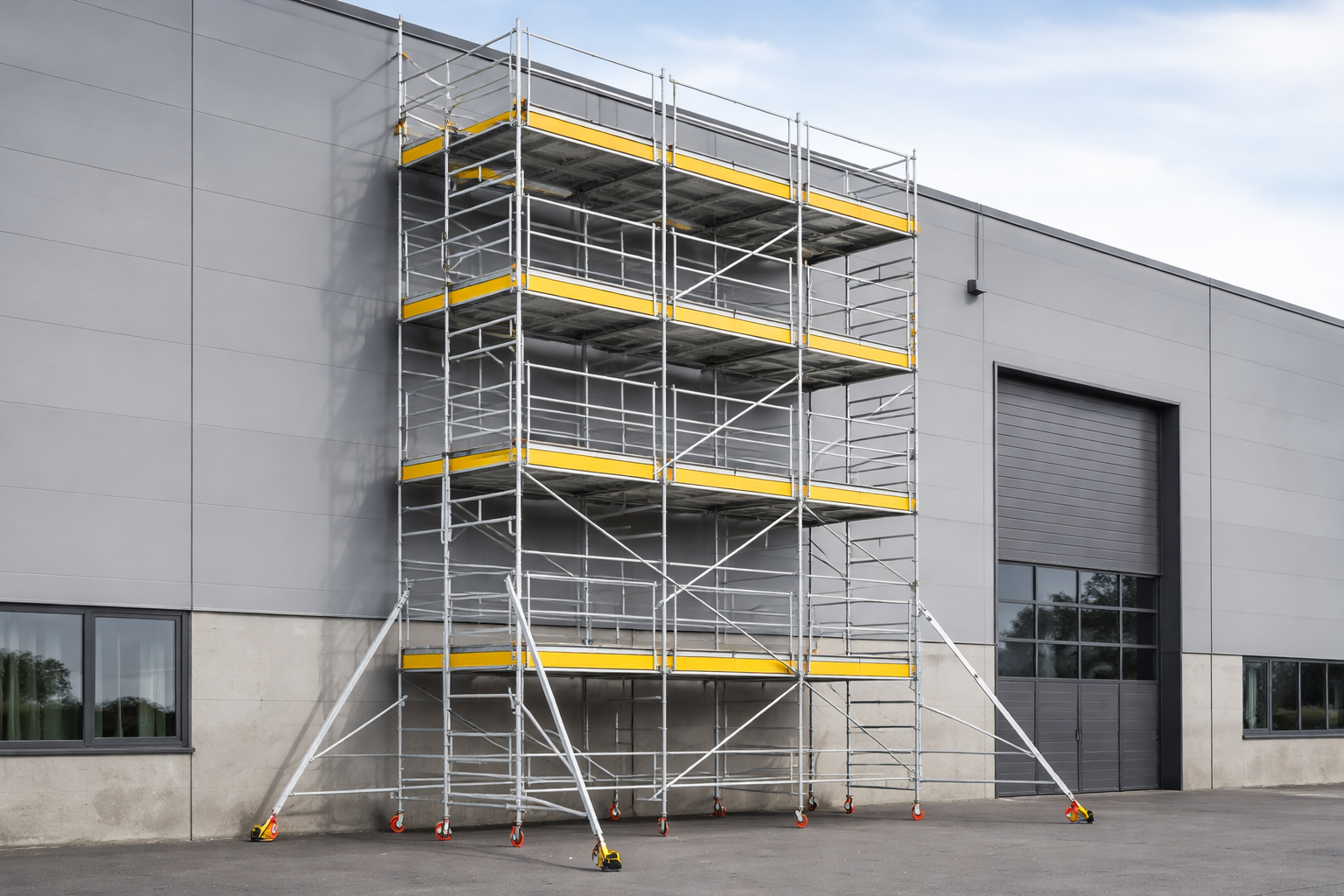
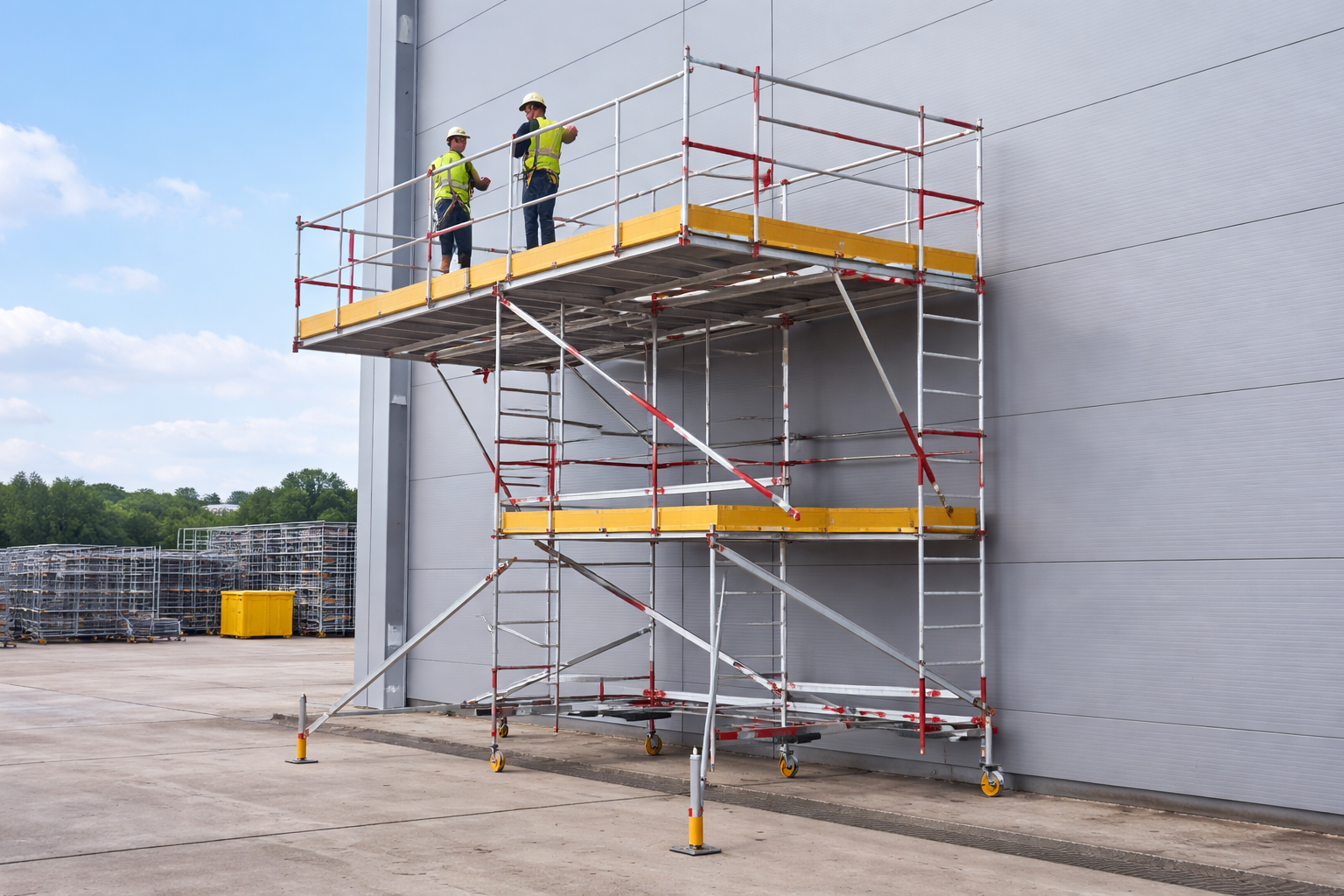
Systems like double width aluminium scaffolding and extra wide aluminium scaffold towers offer greater base stability, distributing load evenly—ideal for hot, open-site environments.
2. Rain, Humidity, and Slippery Surfaces
Ensuring Grip and Drainage
During monsoon or in high-humidity zones, scaffolding surfaces become slippery, increasing accident risk. Water retention can also weaken connections over time.
- Opt for wheeled mobile aluminium scaffold towers with anti-slip platforms and drainage holes.
- Regularly clean and dry ladders, especially aluminium scaffolding ladders, before reuse.
- Avoid assembling on soft or muddy ground—use base plates and stabilizers for firm footing.
Safety Tip
For indoor or short-term outdoor tasks, single width aluminium scaffolding or narrow aluminium scaffolding systems can be safer and easier to relocate between covered areas.
3. Corrosive and Coastal Environments
Battling Salt and Chemical Exposure
Coastal regions like Chennai, Goa, or Mumbai expose scaffolding to salt-laden air, which can accelerate oxidation despite aluminium’s natural resistance. Similarly, industrial sites handling chemicals can corrode joints and fasteners.
Maintenance Strategies:
- Rinse scaffolding with fresh water weekly to remove salt residue.
- Apply clear anodized or powder-coated finishes to aluminium scaffolding towers for extra protection.
- Inspect and lubricate wheels and joints of movable aluminium scaffold towers regularly.
Best-Suited Systems
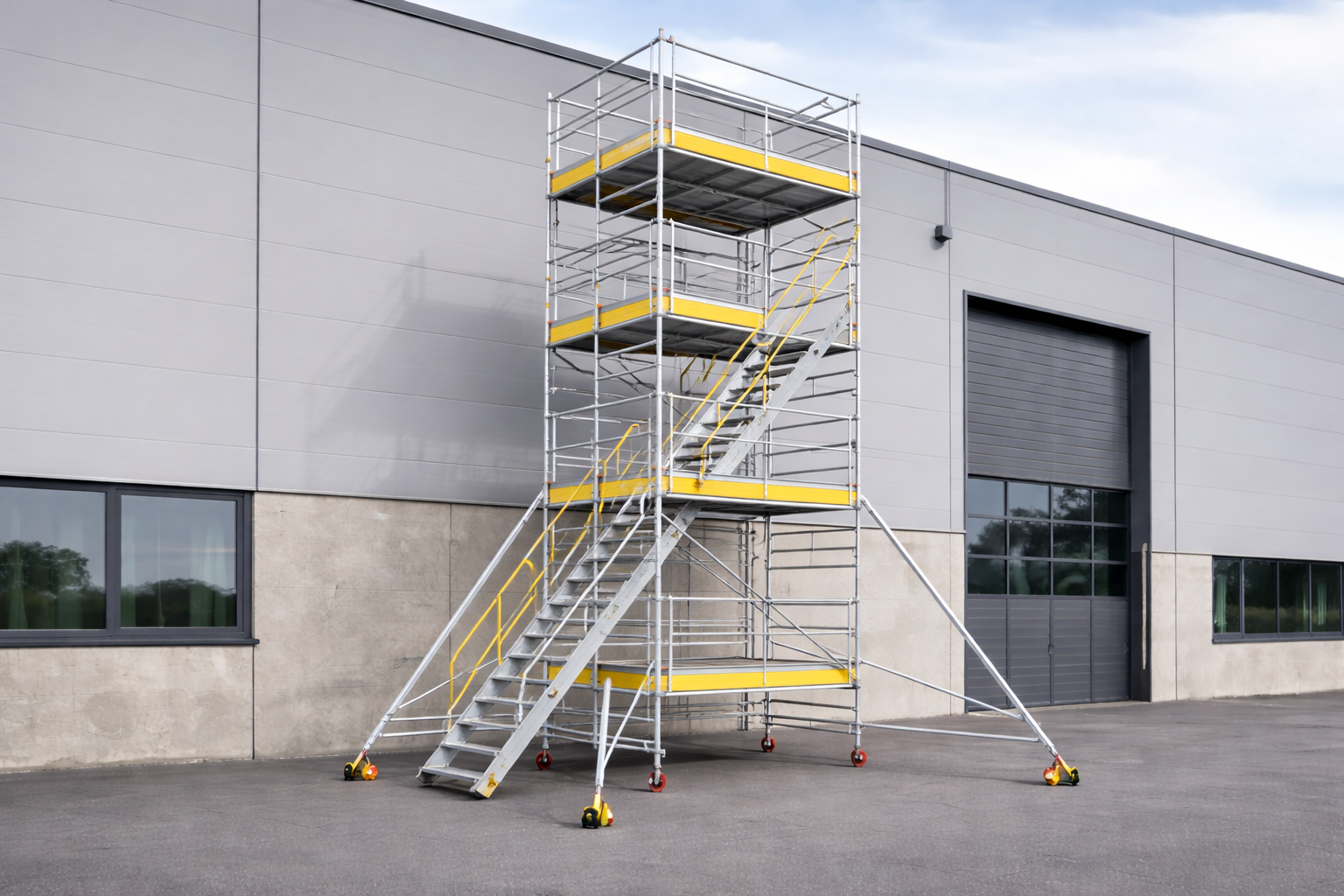
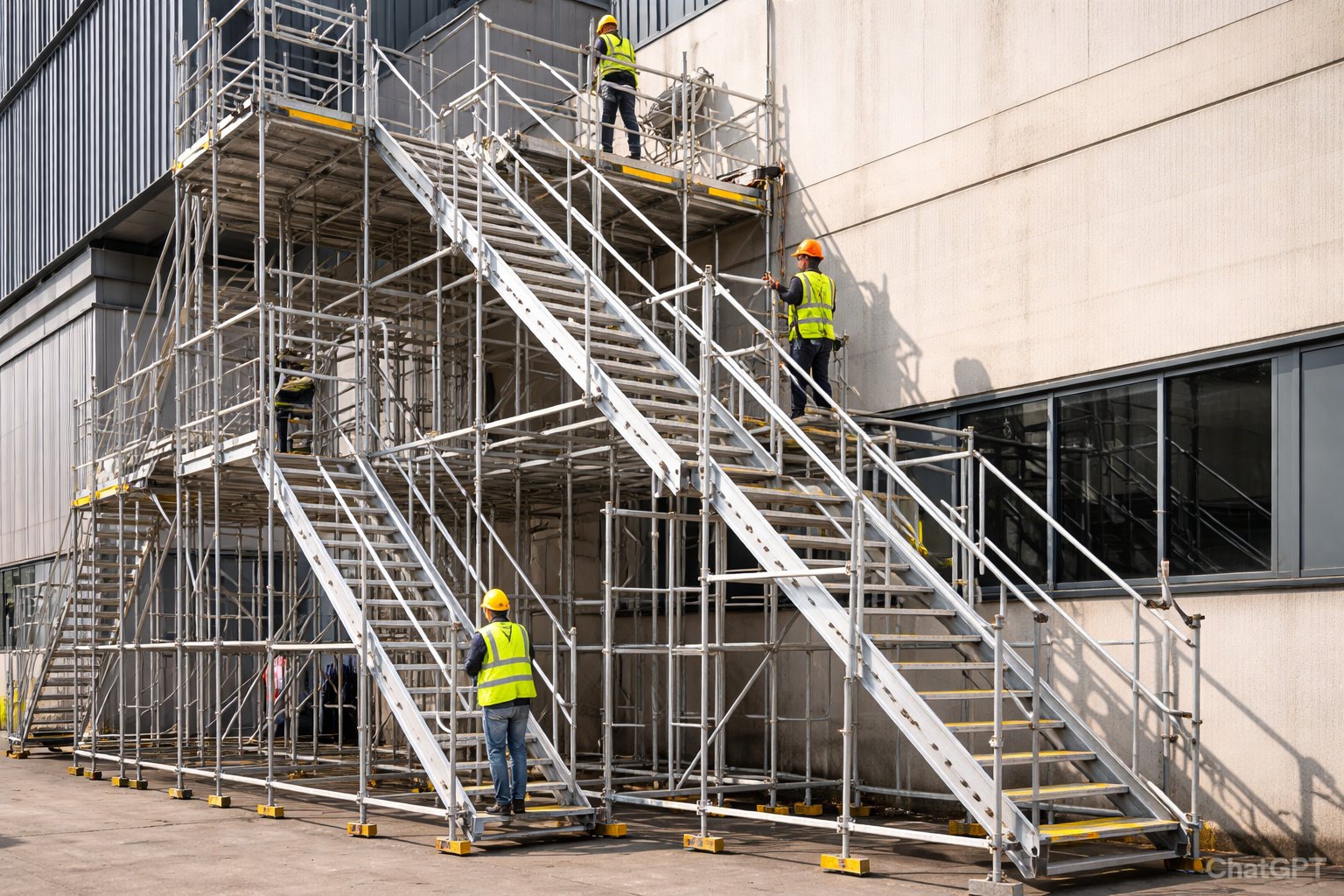
For heavy-duty coastal projects such as jetty or port maintenance, the aluminium bridge scaffolding tower or wide stairway aluminium scaffolding ensures greater durability and access flexibility.
4. Heavy-Duty Use in Industrial Zones
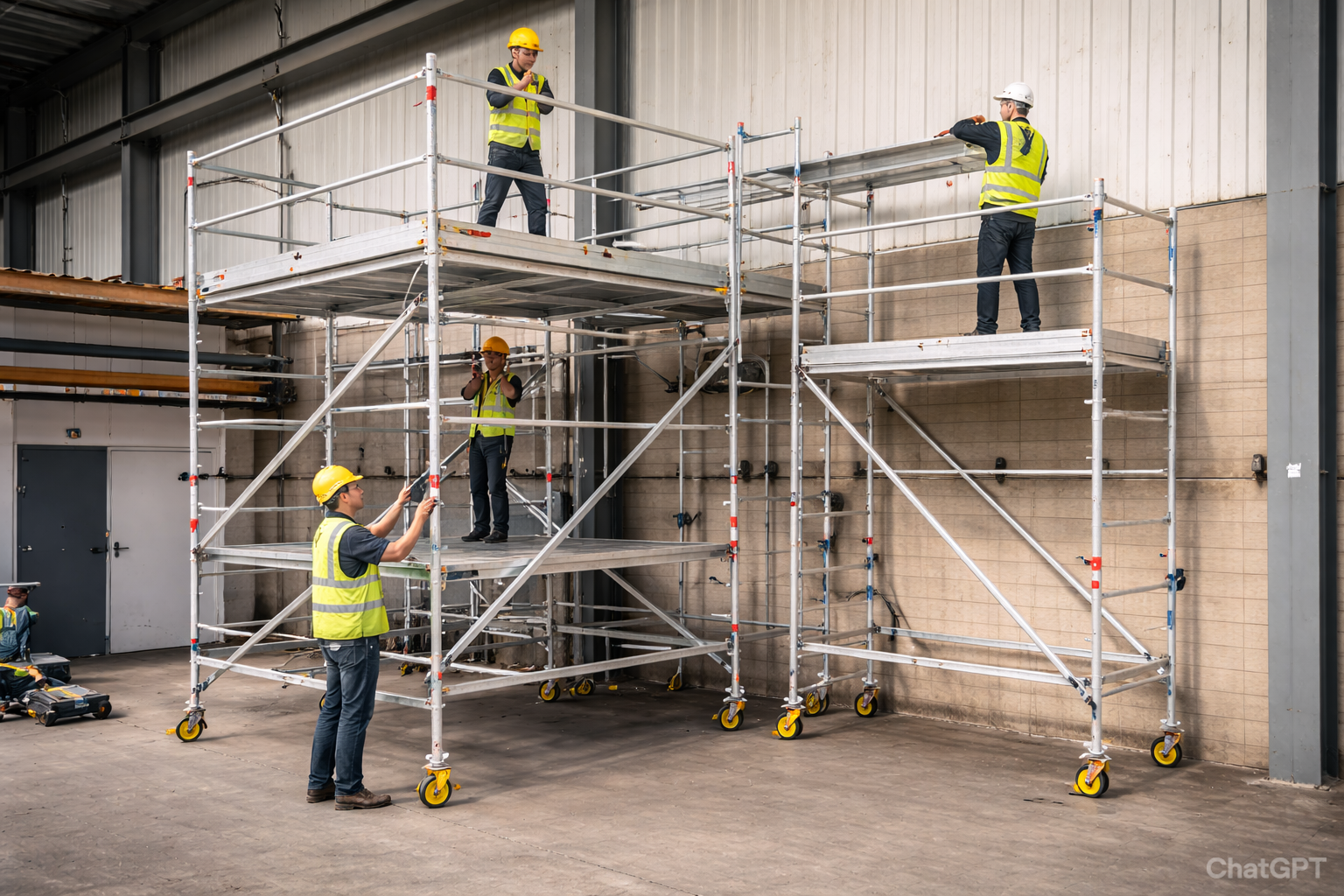
In plants, refineries, and shipyards, scaffolding faces constant exposure to fumes, dust, and temperature fluctuations. Here, modular systems like project dost aluminium scaffolding excel due to their easy assembly and adaptability in tight spaces.
Pairing them with stairway aluminium movable scaffolding allows technicians safe vertical movement in compact industrial setups—minimizing downtime during maintenance work.
Real-World Example: Coastal Refinery Maintenance, Gujarat
A leading refinery on India’s western coast deployed double width aluminium scaffolding systems for their 45-day maintenance shutdown. Engineers faced extreme humidity and salt exposure.
By implementing:
- Weekly washing routines,
- Use of extra wide aluminium scaffold towers for improved stability, and
- Protective anodizing coats,
they extended scaffold service life by 40% and reduced maintenance costs by 30% compared to previous steel setups. The portability of wheeled mobile aluminium scaffold towers also cut relocation time by half.
5. Maintenance Best Practices for Extreme Environments
Routine Care Checklist
- Inspect locking pins, braces, and castor wheels weekly.
- Store scaffolds under shade or indoors when idle.
- Avoid exposure to acidic or alkaline cleaning agents.
- Replace damaged parts immediately to prevent load failure.
Storage
Disassemble wide aluminium scaffolding systems and narrow aluminium scaffolding systems in dry areas with good ventilation. Use protective tarpaulin covers to avoid dust or salt buildup.
6. Modern Innovations in Aluminium Scaffolding
The latest extra reach aluminium scaffolding systems and aluminium stairway scaffolding models feature:
- Anodized coating for superior corrosion resistance.
- Quick-lock mechanisms for rapid setup.
- Integrated stabilizers for uneven terrain.
- Smart tracking systems to monitor scaffold usage and lifespan.
These innovations make them ideal for multi-weather conditions—ensuring safety, reliability, and long-term cost savings.
Conclusion
Extreme environments demand equipment that performs beyond standard expectations. With its corrosion resistance, adaptability, and lightweight strength, aluminium scaffolding remains the safest and most efficient solution for hot, rainy, coastal, and industrial sites.
By choosing the right configuration—whether it’s a double width aluminium scaffolding, a movable aluminium scaffold tower, or a stairway aluminium movable scaffolding—and following best maintenance practices, companies can extend the life of their systems while protecting workers and project timelines.
Ready to choose the right scaffold setup for your next project? Explore innovative solutions with AQaccess range of weather-ready aluminium scaffolding systems.
FAQs
Q1. Is aluminium scaffolding suitable for coastal construction?
Yes. Aluminium scaffolding towers are naturally corrosion-resistant and, when anodized or coated, perform exceptionally well in coastal and saline environments.
Q2. How can I maintain scaffolding in hot or humid weather?
Regular inspection, proper storage, and timely lubrication of joints help maintain strength. Use adjustable aluminium scaffolding to manage expansion caused by heat.
Q3. What’s the best scaffold type for industrial maintenance projects?
Systems like project dost aluminium scaffolding or aluminium bridge scaffolding towers are ideal due to their modular, high-load, and easy-mobility design.